






Healthwatch by Shyft

Looking for some healthy eating advice?
Leave your details & our team will help you set up a consult
Sonali Sachdeva

Nutritionist | 22 Yrs. of experience

Sakina Hashmi

Nutritionist | 7 Yrs. of experience

Abhilasha Sharma

Nutritionist | 5 Yrs. of experience

Enter your details

The Power of Fiber: Why You Need It in Your Diet

The Power of Fiber: Why You Need It in Your Diet
Content
Content

Fibre is an essential part of a balanced diet. It’s often overlooked, but it plays a vital role in our digestive system and overall health.

A diet rich in fibre can help prevent chronic diseases such as heart disease, diabetes, and even certain cancers. In this blog, we’ll discuss the importance of fibre in a balanced diet, its benefits, and how to incorporate it into your daily meals.

What is fibre?

Fibre is a type of carbohydrate found in plant-based foods such as fruits, vegetables, whole grains, legumes, nuts, and seeds. Unlike other carbohydrates, fibre cannot be broken down into sugar molecules, and it passes through our digestive system relatively intact. There are two types of fibre – soluble and insoluble. Soluble fibre dissolves in water and forms a gel-like substance in the digestive tract. Insoluble fibre doesn’t dissolve in water, and it adds bulk to our stools, helping to regulate bowel movements.

Benefits of Fiber:

Fibre is essential for maintaining a healthy digestive system. It helps to keep our digestive system running smoothly by regulating bowel movements, preventing constipation, and reducing the risk of colon cancer. It also helps to reduce the risk of other chronic diseases such as heart disease, diabetes, and obesity.

Here are some of the main benefits of including fibre in your diet:

  1. Improved digestion: Fiber helps to prevent constipation by adding bulk to the stool and promoting regular bowel movements. This can help to prevent digestive problems such as haemorrhoids, diverticulitis, and irritable bowel syndrome.
  1. Weight management: Fiber can help to reduce the risk of obesity by promoting feelings of fullness and reducing the number of calories consumed. It also helps to regulate blood sugar levels, which can prevent overeating and snacking on high-calorie foods.
  1. Reduced risk of chronic diseases: A diet rich in fibre has been shown to reduce the risk of chronic diseases such as heart disease, stroke, and certain types of cancer. This is because fibre helps to lower cholesterol levels, regulate blood sugar levels, and reduce inflammation in the body.
  1. Improved heart health: Fiber helps to reduce the risk of heart disease by lowering cholesterol levels, reducing blood pressure, and reducing inflammation in the body.
  1. Enhanced gut microbiome: A healthy gut microbiome is crucial for overall health, and fibre helps to promote the growth of beneficial gut bacteria.
How to incorporate fibre into your diet:

The recommended daily intake of fibre for adults is around 25-30 grams per day. However, studies have shown that most people consume only around half this amount.

The good news is that there are many easy ways to incorporate more fibre into your diet. Here are some tips to help you increase your fibre intake:

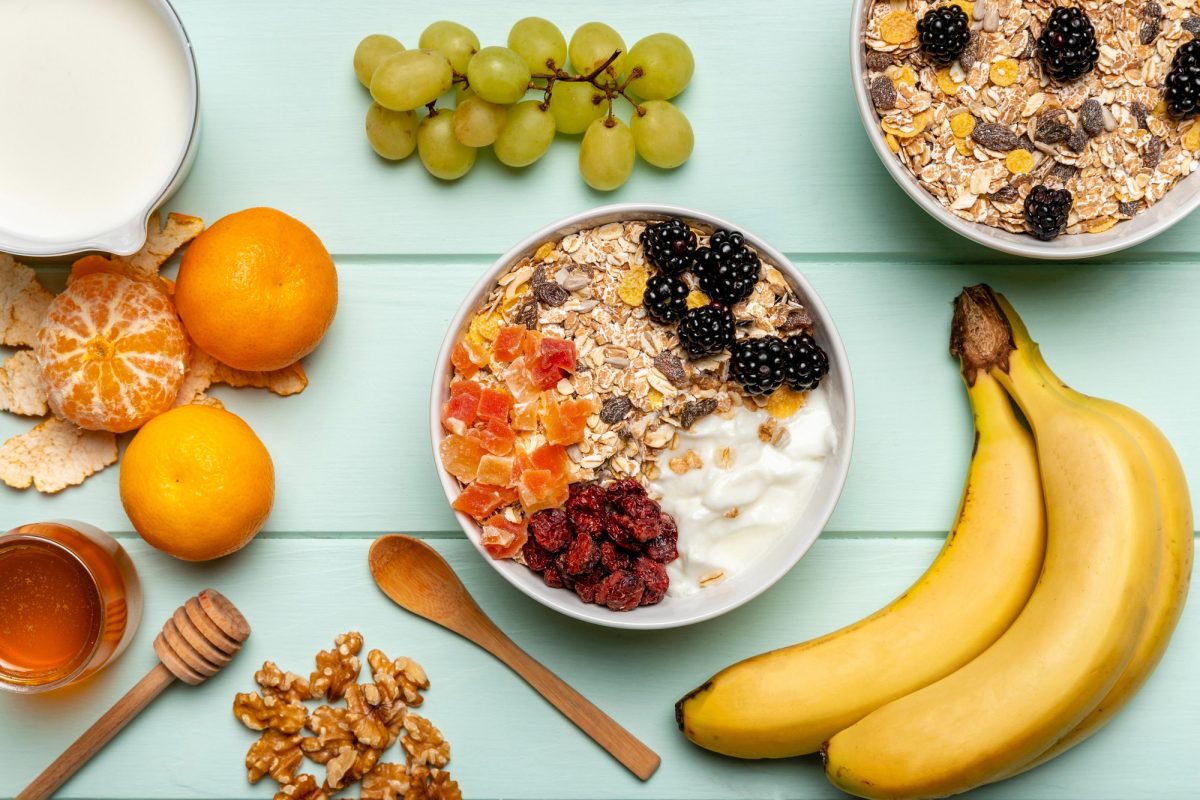
  • Start the day with a high-fibre breakfast: Choose whole-grain cereals, bread, or oatmeal for breakfast, and top with fresh fruit or nuts for an extra boost of fibre.
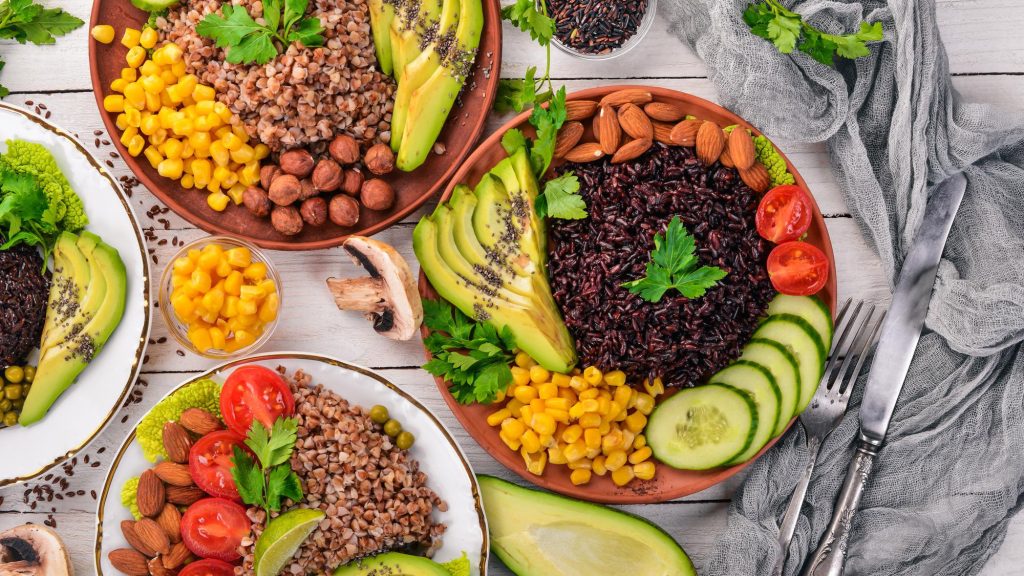
  • Eat plenty of fruits and vegetables: Aim to include at least five servings of fruits and vegetables in your daily diet. Snack on fresh fruits and vegetables throughout the day, and add them to your meals whenever possible.
  • Choose whole grains: Choose whole-grain bread, pasta, and rice instead of refined versions. Look for products that contain at least 3 grams of fibre per serving.
  • Add legumes to your meals: Legumes such as lentils, chickpeas, and kidney beans are an excellent source of fibre. Add them to soups, stews, salads, and curries.
  • Snack on nuts and seeds: Nuts and seeds are an excellent source of fibre and healthy fats. Snack on a handful of almonds, walnuts, or pumpkin seeds for a quick and healthy snack.
  • Be mindful of your snacks: Choose snacks that are high in fibre, such as fruit, raw veggies, or whole-grain crackers.
  • Don’t forget about fibre supplements: If you struggle to get enough fibre through your diet, consider taking a fibre supplement. However, it’s always best to get your nutrients through whole foods whenever possible.

Takeaway

Fibre is an essential part of a balanced diet, and it’s crucial for maintaining a healthy digestive system, preventing chronic diseases, and promoting overall health. By including more fibre-rich foods in your diet, you can improve your health and reduce the risk of chronic diseases such as heart disease, diabetes, and cancer.

Start by making small changes to your diet, such as choosing whole-grain products and adding more fruits and vegetables to your meals. Over time, these changes can make a big difference in your overall health and well-being.

Author:
Shyft Health

Shyft

linkedin
Shyft is your trusted source for health and wellness insights. We collaborate with a network of writers and health experts to curate evidence-based content. This content is further vetted and reviewed by our team of internal experts. Our platform is dedicated to providing you with reliable, accessible health information so you can make informed choices for a healthier life. read more

Over 20,000 customers have reduced their symptoms and improved their health by consulting Shyft's Clinical Nutritionists. When are you starting?

READ MORE ON :

Article By:

Read more

Continue to read on a range of topics related to Exercise, Nutrition, Mental Health and Sleep Health.

Five Foods to Help You With Your Period Pain (and Four to Avoid)

Period pain, also known as menstrual cramps or dysmenorrhea, are cramps and pelvic pain that you may experience during menstruation. This happens because every month, the lining that has built up within the uterus is shed - unless you’re pregnant - and the muscles of the womb contract and relax in an irregular rhythm to do so. Prostaglandins, chemicals that induce uterine muscle contractions, are the primary cause of period pain. Estrogen, one of the primary reproductive hormones in women,… Read more

Editor’s pick

Five Foods to Help You With Your Period Pain (and Four to Avoid)

Five Foods to Help You With Your Period Pain (and Four to Avoid)

Period pain, also known as menstrual cramps or dysmenorrhea, are cramps and pelvic pain that you may experience during menstruation. This happens because every month, the lining that has built up within the uterus is shed - unless you’re pregnant - and the muscles of the womb contract and relax in an irregular rhythm to do so. Prostaglandins, chemicals that induce uterine muscle contractions, are the primary cause of period pain. Estrogen, one of the primary reproductive hormones in women,…

book

4 minutes

|

calendar

17 Jan 2024

Editor’s pick

The Dash Diet

3 minutes

19 Aug 2023

The Dash Diet

Tired of the fad diets floating around in the market? Fed up with hearing different methods of weight loss being advertised without any health significance? Looking for a sustainable diet to lose weight and also become a healthy and satisfied person? You’ve come to the right place! We are here with one of the most popular and nutritious diets. But don’t let us convince you! Read about its benefits and decide for yourself. What is the Dash Diet? Dietary Approaches… Read more

Featured

The Dash Diet

The Dash Diet

Tired of the fad diets floating around in the market? Fed up with hearing different methods of weight loss being advertised without any health significance? Looking for a sustainable diet to lose weight and also become a healthy and satisfied person? You’ve come to the right place! We are here with one of the most popular and nutritious diets. But don’t let us convince you! Read about its benefits and decide for yourself. What is the Dash Diet? Dietary Approaches…

book

3 minutes

|

calendar

19 Aug 2023

Featured

The Gut Health-Disrupting Side Effects of Antibiotics You Need to Know

Antibiotics: the life-saving wonder drugs that can also wreak havoc on your gut health. Antibiotics are one of the most revolutionary discoveries of modern medicine. They have saved countless lives by fighting off deadly bacterial infections. However, despite their life-saving abilities, antibiotics can have some unintended consequences on our gut health. The gut microbiome is a vast collection of microorganisms that reside in our digestive system, consisting of trillions of bacteria, fungi, viruses, and other microorganisms. These microorganisms play a… Read more

Most read

The Gut Health-Disrupting Side Effects of Antibiotics You Need to Know

The Gut Health-Disrupting Side Effects of Antibiotics You Need to Know

Antibiotics: the life-saving wonder drugs that can also wreak havoc on your gut health. Antibiotics are one of the most revolutionary discoveries of modern medicine. They have saved countless lives by fighting off deadly bacterial infections. However, despite their life-saving abilities, antibiotics can have some unintended consequences on our gut health. The gut microbiome is a vast collection of microorganisms that reside in our digestive system, consisting of trillions of bacteria, fungi, viruses, and other microorganisms. These microorganisms play a…

book

3 minutes

|

calendar

06 Apr 2023

Most read

The Power of Omega-3 Fatty Acids for Brain Health and Mood

When we think of essential nutrients for our body, vitamins and minerals may come to mind. However, did you know that omega-3 fatty acids are also essential for our overall health? Omega-3 fatty acids are polyunsaturated fats that play an important role in brain health and mood regulation. In this blog, we will explore the importance of omega-3 fatty acids in brain health and mood. Understanding Omega-3 Fatty Acids Before delving into the benefits of omega-3 fatty acids, let's understand… Read more

Most read

The Power of Omega-3 Fatty Acids for Brain Health and Mood

The Power of Omega-3 Fatty Acids for Brain Health and Mood

When we think of essential nutrients for our body, vitamins and minerals may come to mind. However, did you know that omega-3 fatty acids are also essential for our overall health? Omega-3 fatty acids are polyunsaturated fats that play an important role in brain health and mood regulation. In this blog, we will explore the importance of omega-3 fatty acids in brain health and mood. Understanding Omega-3 Fatty Acids Before delving into the benefits of omega-3 fatty acids, let's understand…

book

3 minutes

|

calendar

05 Apr 2023

Most read

Checkout some healthy recipes that taste good, approved by our nutritionists

View all
Understanding Metabolism

Baked Feta Chickpeas

A simple, delicious & healthy meal - a fantastic appetizer or meal on its own.

11 INGREDIENTS

|

60 MINS.

Understanding Metabolism

Cheese Soup

A creamy blend of cheese & vegetables perfect for a cold winter day!

9 INGREDIENTS

|

30 MINS.

Understanding Metabolism

Whole Wheat Waffles

Crisp, light and super easy-to-make waffles - no one will ever suspect they're made with 100% whole wheat flour!

11 INGREDIENTS

|

15 MINS.

Understanding Metabolism

Vegetable Frankie

Spiced vegetables wrapped in chappati - a satiating snack that can be relished even on the go!

6 INGREDIENTS

|

30 MINS.

Understanding Metabolism

Beetroot Chilla

A nutrient dense recipe with added benefits of beetroot & gram flour.

7 INGREDIENTS

|

30 MINS.

Understanding Metabolism

Spinach Khichdi

A wholesome dish made with lentils, rice and spinach

13 INGREDIENTS

|

45 MINS.

Understanding Metabolism

Omlette Curry

An appetizing curry made with cut pieces of egg omelette

9 INGREDIENTS

|

30 MINS.

Understanding Metabolism

Apple Ginger Chutney

Zesty peppery and sweet, with a pungent and spicy aroma

7 INGREDIENTS

|

30 MINS.

View all