




Healthwatch by Shyft

Need nutrition advice for high blood pressure?
Leave your details & our team will help you set up a consult
Sonali Sachdeva

Nutritionist | 22 Yrs. of experience

Sakina Hashmi

Nutritionist | 7 Yrs. of experience

Abhilasha Sharma

Nutritionist | 5 Yrs. of experience

Enter your details

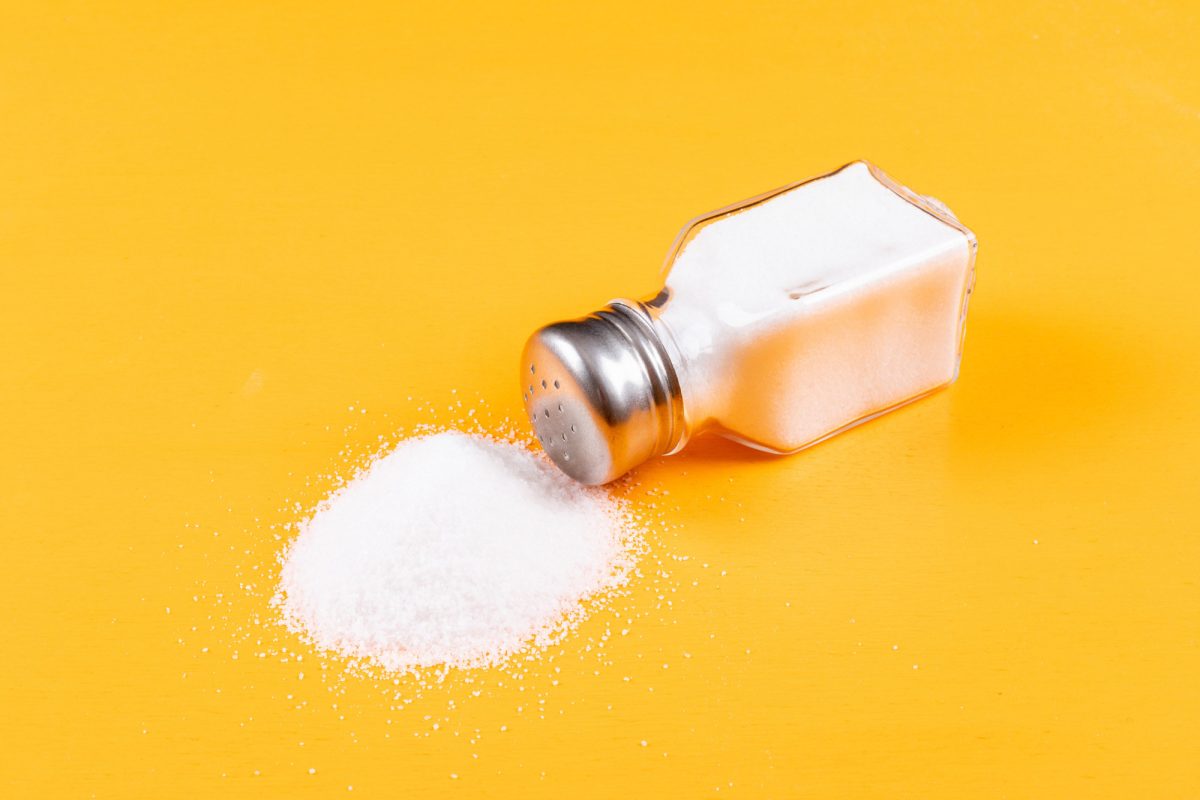
Salt, the Silent Killer: Benefits of Reducing Salt in Your Diet

Salt, the Silent Killer: Benefits of Reducing Salt in Your Diet
Content
Content

Salt is a common ingredient in almost all types of cuisines.

However, it is also a leading cause of several health problems, including hypertension, heart disease, and stroke. While salt is an essential nutrient required for the proper functioning of the body, excessive consumption of salt can be harmful. In this blog post, we will discuss the benefits of reducing salt in your diet and the steps you can take to achieve it.

Why should you reduce salt in your diet?

Salt is made up of sodium and chloride. Sodium is an essential nutrient required for various bodily functions such as the maintenance of fluid balance, the transmission of nerve impulses, and the contraction of muscles. However, excessive intake of sodium can lead to health problems, primarily hypertension. Hypertension is a condition in which the blood pressure in your arteries is elevated, putting extra strain on your heart and increasing your risk of heart disease and stroke.

In India, hypertension is a prevalent health problem, affecting millions of people. According to a study by the Indian Council of Medical Research, hypertension affects about one in three adults in urban areas and one in four adults in rural areas. The study also revealed that a high-salt diet is a significant risk factor for hypertension in India.

Therefore, reducing salt intake can be an effective way to prevent and manage hypertension and reduce the risk of heart disease and stroke.
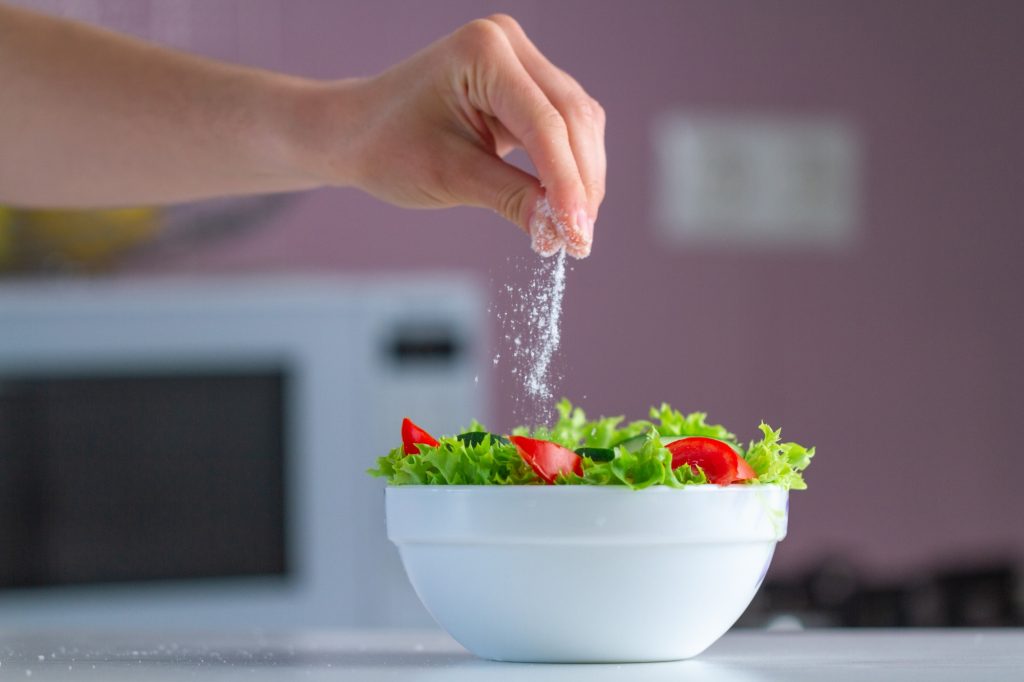
How much salt should you consume?

According to the World Health Organization (WHO), the recommended daily intake of salt is less than 5 grams per day or about one teaspoon. However, most people consume much more than this amount, mainly through processed and packaged foods.

Tips to reduce salt intake

Here are some simple tips that can help you reduce salt intake:

  1. Choose fresh foods over processed foods: Processed and packaged foods are often high in salt. Therefore, it is best to choose fresh foods whenever possible. For example, instead of eating canned soups or sauces, make your own at home using fresh ingredients.
  1. Read food labels: Always check the food labels before purchasing any packaged or processed foods. Choose products that are labelled as “low salt” or “no added salt.”
  1. Use herbs and spices instead of salt: Herbs and spices can add flavour to your food without adding salt. Use herbs like thyme, rosemary, and basil, and spices like cumin, coriander, and turmeric to add flavour to your food.
  1. Limit the use of salt in cooking: Use less salt when cooking. Instead, use other flavour enhancers like garlic, ginger, or vinegar.
  1. Avoid adding salt to your meals: Avoid adding salt to your meals at the table. Try using a salt substitute or lemon juice instead.

Benefits of reducing salt in your diet:

  1. Lowers blood pressure: Reducing salt intake can lower blood pressure, reducing the risk of hypertension, heart disease, and stroke.
  1. Improves kidney function: A high-salt diet can put a strain on the kidneys, leading to kidney damage. Reducing salt intake can help improve kidney function and prevent kidney damage.
  1. Reduces water retention: Consuming excess salt can lead to water retention, causing bloating and swelling. Reducing salt intake can help reduce water retention and promote weight loss.
  1. Lowers the risk of stomach cancer: A high-salt diet has been linked to an increased risk of stomach cancer. Reducing salt intake can lower the risk of stomach cancer.

Takeaway

Reducing salt intake can have several health benefits, including lowering blood pressure, improving kidney function, reducing water retention, and lowering the risk of stomach cancer. Therefore, it is essential to make small changes to your diet to reduce salt intake. By following the tips mentioned above, you can achieve a healthy and balanced diet while reducing your salt intake.

Remember, reducing salt intake is not just about avoiding the salt shaker. It’s about making healthier choices and being aware of the sodium content in the foods you eat. By making simple changes to your diet and lifestyle, you can reduce your risk of developing hypertension and other health problems associated with a high-salt diet.

So, start today by choosing fresh foods, reading food labels, and using herbs and spices to add flavour to your meals. Your body will thank you for it in the long run.


Author:
Shyft Health

Shyft

linkedin
Shyft is your trusted source for health and wellness insights. We collaborate with a network of writers and health experts to curate evidence-based content. This content is further vetted and reviewed by our team of internal experts. Our platform is dedicated to providing you with reliable, accessible health information so you can make informed choices for a healthier life. read more

Over 20,000 customers have reduced their symptoms and improved their health by consulting Shyft's Clinical Nutritionists. When are you starting?

READ MORE ON :

Article By:

Read more

Continue to read on a range of topics related to Exercise, Nutrition, Mental Health and Sleep Health.

Essential Vitamins and Minerals Needed during Pregnancy

Pregnancy is a time when a woman's body goes through a lot of changes, including increased nutritional needs. Adequate intake of vitamins and minerals during pregnancy is important to ensure the health and development of the baby, as well as to support the health of the mother. Here are some of the most important vitamins and minerals that are needed during pregnancy: Folic acid: We already talked about folic acid in the previous blog posts, but it is worth mentioning… Read more

Essential Vitamins and Minerals Needed during Pregnancy

Essential Vitamins and Minerals Needed during Pregnancy

Pregnancy is a time when a woman's body goes through a lot of changes, including increased nutritional needs. Adequate intake of vitamins and minerals during pregnancy is important to ensure the health and development of the baby, as well as to support the health of the mother. Here are some of the most important vitamins and minerals that are needed during pregnancy: Folic acid: We already talked about folic acid in the previous blog posts, but it is worth mentioning…

book

3 minutes

|

calendar

10 Apr 2023

Fasting Facts: The Pros and Cons of Intermittent Fasting

Intermittent fasting (IF) is a popular weight loss and health trend that has gained a lot of attention in recent years. It involves limiting calorie intake during certain periods of the day or week, with the aim of improving overall health and promoting weight loss. While there are potential benefits to IF, there are also drawbacks to consider. In this blog post, we’ll explore the pros and cons of intermittent fasting. What is Intermittent Fasting? Intermittent fasting involves alternating between… Read more

Featured

Fasting Facts: The Pros and Cons of Intermittent Fasting

Fasting Facts: The Pros and Cons of Intermittent Fasting

Intermittent fasting (IF) is a popular weight loss and health trend that has gained a lot of attention in recent years. It involves limiting calorie intake during certain periods of the day or week, with the aim of improving overall health and promoting weight loss. While there are potential benefits to IF, there are also drawbacks to consider. In this blog post, we’ll explore the pros and cons of intermittent fasting. What is Intermittent Fasting? Intermittent fasting involves alternating between…

book

4 minutes

|

calendar

15 Jul 2023

Featured

Food habits and routines to make nutrition easy for a person with ADHD

Having a healthy nutritious diet can be a game changer for a person with ADHD. However, choosing the correct diet, and following the instructions can become confusing and overwhelming, for both parents who have children with ADHD, and adults who have ADHD. Don’t be your own Dietician  First and foremost, consult a medical professional, or someone who is equipped with the skills and qualifications to help you figure out, your nutritional needs. Only a professional would be able to tell… Read more

Food habits and routines to make nutrition easy for a person with ADHD

Food habits and routines to make nutrition easy for a person with ADHD

Having a healthy nutritious diet can be a game changer for a person with ADHD. However, choosing the correct diet, and following the instructions can become confusing and overwhelming, for both parents who have children with ADHD, and adults who have ADHD. Don’t be your own Dietician  First and foremost, consult a medical professional, or someone who is equipped with the skills and qualifications to help you figure out, your nutritional needs. Only a professional would be able to tell…

book

4 minutes

|

calendar

06 Apr 2023

The Truth About Being Irritable on a Calorie Deficit

It’s no surprise that what we eat affects our mood along with other functions of the body and if you’ve suddenly reduced your calorie intake for the purpose of weight loss, there is a fair chance that you’ll find yourself grumpy, snappy or even lethargic. Mood swings on a diet are fairly common, and many people are dissuaded by weight loss and diet programs simply because of the detrimental effects they will have on their mood. While the irritability caused… Read more

Most read

The Truth About Being Irritable on a Calorie Deficit

The Truth About Being Irritable on a Calorie Deficit

It’s no surprise that what we eat affects our mood along with other functions of the body and if you’ve suddenly reduced your calorie intake for the purpose of weight loss, there is a fair chance that you’ll find yourself grumpy, snappy or even lethargic. Mood swings on a diet are fairly common, and many people are dissuaded by weight loss and diet programs simply because of the detrimental effects they will have on their mood. While the irritability caused…

book

4 minutes

|

calendar

14 Jul 2023

Most read

Checkout some healthy recipes that taste good, approved by our nutritionists

View all
Understanding Metabolism

Baked Feta Chickpeas

A simple, delicious & healthy meal - a fantastic appetizer or meal on its own.

11 INGREDIENTS

|

60 MINS.

Understanding Metabolism

Cheese Soup

A creamy blend of cheese & vegetables perfect for a cold winter day!

9 INGREDIENTS

|

30 MINS.

Understanding Metabolism

Whole Wheat Waffles

Crisp, light and super easy-to-make waffles - no one will ever suspect they're made with 100% whole wheat flour!

11 INGREDIENTS

|

15 MINS.

Understanding Metabolism

Vegetable Frankie

Spiced vegetables wrapped in chappati - a satiating snack that can be relished even on the go!

6 INGREDIENTS

|

30 MINS.

Understanding Metabolism

Beetroot Chilla

A nutrient dense recipe with added benefits of beetroot & gram flour.

7 INGREDIENTS

|

30 MINS.

Understanding Metabolism

Spinach Khichdi

A wholesome dish made with lentils, rice and spinach

13 INGREDIENTS

|

45 MINS.

Understanding Metabolism

Omlette Curry

An appetizing curry made with cut pieces of egg omelette

9 INGREDIENTS

|

30 MINS.

Understanding Metabolism

Apple Ginger Chutney

Zesty peppery and sweet, with a pungent and spicy aroma

7 INGREDIENTS

|

30 MINS.

View all